
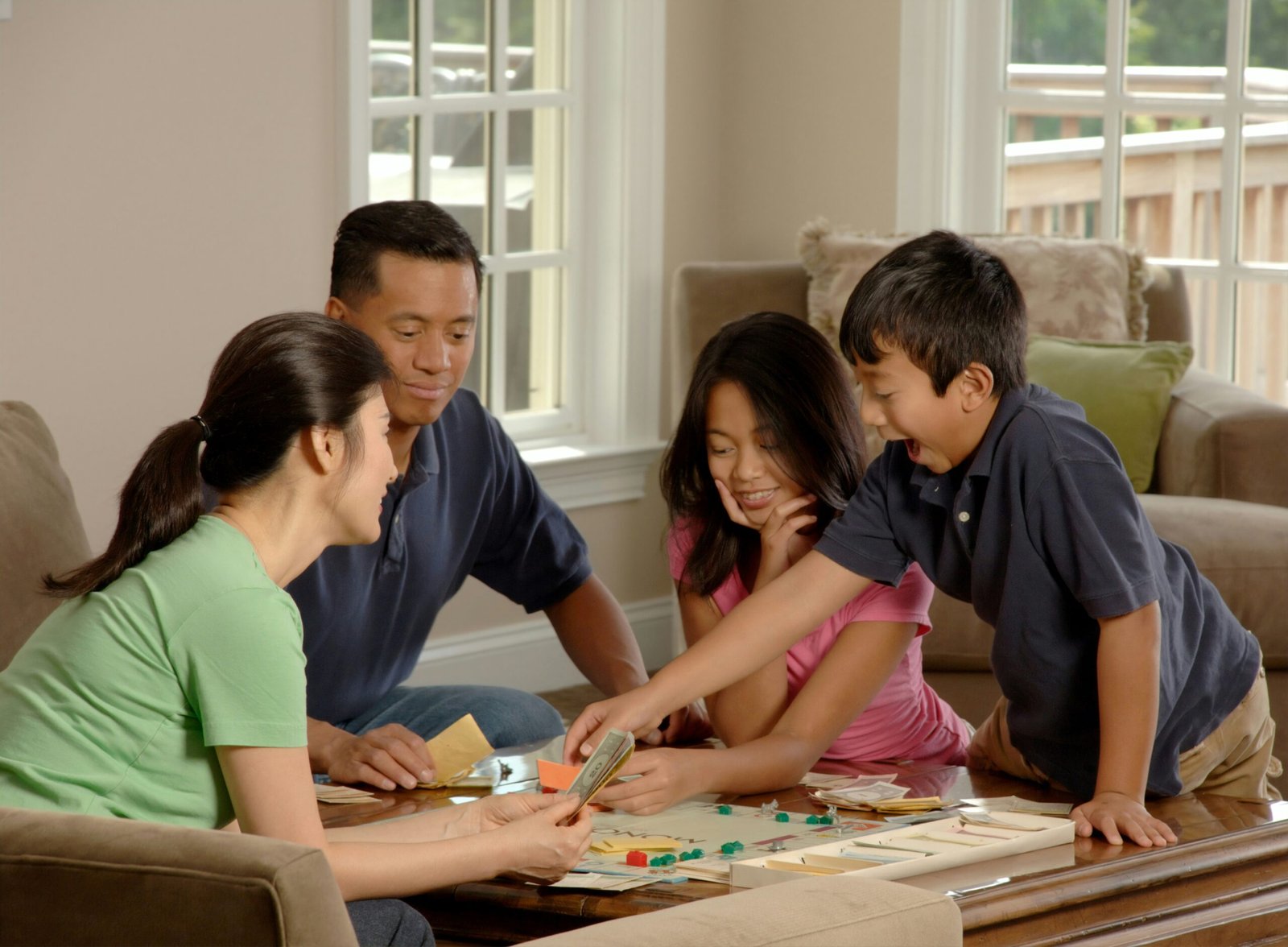
The phrase “building teamwork in your family” may sound simple, but it holds the key to a peaceful, supportive home. Just like in sports or business, families succeed when they function as a team — united by trust, communication, and shared goals. Without teamwork, households fall into chaos: constant conflicts, broken communication, and feelings of isolation.
This guide explores how to build teamwork in your family through practical strategies, benefits, and real-life use cases. Whether you’re a parent of toddlers or teenagers, these lessons will help you create a home filled with cooperation, resilience, and joy.
Why Building Teamwork in Your Family Is Essential
The Role of Family as the First Team
Before kids join sports teams or workplace projects, their first experience of teamwork is at home. Here, they learn about responsibility, compromise, and accountability.
The Science Behind Family Teamwork
According to Harvard’s Center on the Developing Child, cooperative family environments promote resilience, problem-solving skills, and emotional intelligence in children.
Positive vs. Negative Dynamics
- Team-Oriented Families: Share chores, celebrate wins, solve conflicts together.
- Individualistic Families: Struggle with selfishness, resentment, and weak communication.
Benefits of Building Teamwork in Your Family
1. Stronger Communication Skills
Families that operate as a team learn to listen actively, share openly, and resolve disagreements constructively.
2. Greater Emotional Support
Teamwork ensures no one feels alone. Each member knows they can rely on the family for encouragement and help.
3. Improved Conflict Resolution
Disagreements become opportunities for growth rather than ongoing battles.
4. Life Skills for Children
Children raised in team-oriented homes develop responsibility, leadership, and empathy — skills vital in adulthood.
5. Long-Term Family Bonding
Families that practice teamwork stay connected even as kids grow and leave home.
Strategies for Building Teamwork in Your Family
1. Establish Shared Goals
Have family meetings where everyone contributes to setting goals — like saving for a vacation or committing to weekly family dinners.
2. Assign Roles and Responsibilities
Chores, meal prep, and house tasks should be divided fairly. This teaches accountability and interdependence.
3. Practice Open Communication
Encourage family members to express feelings honestly without fear of judgment.
4. Celebrate Wins Together
From small victories (finishing homework) to big achievements (graduating school), celebrations strengthen unity.
5. Model Teamwork as Parents
Children copy what they see. Parents who collaborate respectfully set the example for teamwork.
Real-Life Use Cases of Family Teamwork
- Chore Collaboration: Families who turn chores into team efforts finish faster and with less conflict.
- Problem-Solving Together: When facing financial stress, families who brainstorm together foster resilience.
- Supporting Each Other’s Goals: Parents attending games, kids helping parents with tasks — everyone benefits.
Tips for Parents
- Weekly Family Meetings: Dedicate time to discuss schedules, challenges, and goals.
- Create Rituals: Game nights, Sunday dinners, or walks keep everyone engaged.
- Encourage Cooperation, Not Competition: Replace “Who’s better?” with “How can we help each other?”
- Teach by Example: Resolve conflicts respectfully in front of your kids.
- Rotate Leadership: Let children take turns making family decisions like choosing dinner or weekend activities.
Comparisons: Families With vs. Without Teamwork
| Aspect | With Teamwork | Without Teamwork |
|---|---|---|
| Communication | Open, respectful, collaborative | Closed, critical, defensive |
| Conflict Resolution | Problem-solving and compromise | Frequent fights, resentment |
| Emotional Support | Strong safety net | Feelings of isolation |
| Household Efficiency | Shared chores and responsibilities | Overload on one parent |
| Long-Term Bonding | Closeness through shared memories | Weak or fractured ties |
Your Family, Your Team
A family isn’t just a group of individuals living under the same roof — it’s a team. By prioritizing building teamwork in your family, you create a culture of support, resilience, and love that lasts a lifetime.
Start today with one simple step: hold a 15-minute family meeting and set one shared goal for the week. Small actions lead to big transformations when everyone works together.
Frequently Asked Questions
How do I teach teamwork to young children?
Start small with shared chores, group games, and using phrases like “We do this together.”
What if my teenagers resist teamwork?
Involve them in decision-making. Teens feel empowered when their voice matters.