
Planning to explore Tokyo but unsure how to navigate its vast and busy transportation system? Don’t worry—this Master the Guide to Public Transport in Tokyo (2025) will help you travel like a pro. Whether you’re hopping on a Tokyo train, catching a subway, or tapping into the power of an IC card, this guide will show you how to use public transport in Tokyo efficiently. Discover the best travel apps, tips for avoiding rush hours, and how to save money while getting around Tokyo with ease.
1. Understanding the Public Transport in Tokyo
Tokyo has an extensive transportation network consisting of:
- Japan Railways (JR): The JR Yamanote Line is a circular line that connects major city hubs like Shinjuku, Shibuya, Ueno, and Tokyo Station.
- Tokyo Metro & Toei Subway: These are two separate subway networks with extensive coverage across Tokyo.
- Private Railways: Companies like Keio, Odakyu, and Tokyu operate additional train lines, useful for reaching suburban areas and attractions like Mount Takao.
- Buses: A convenient option for reaching areas not well-served by trains.
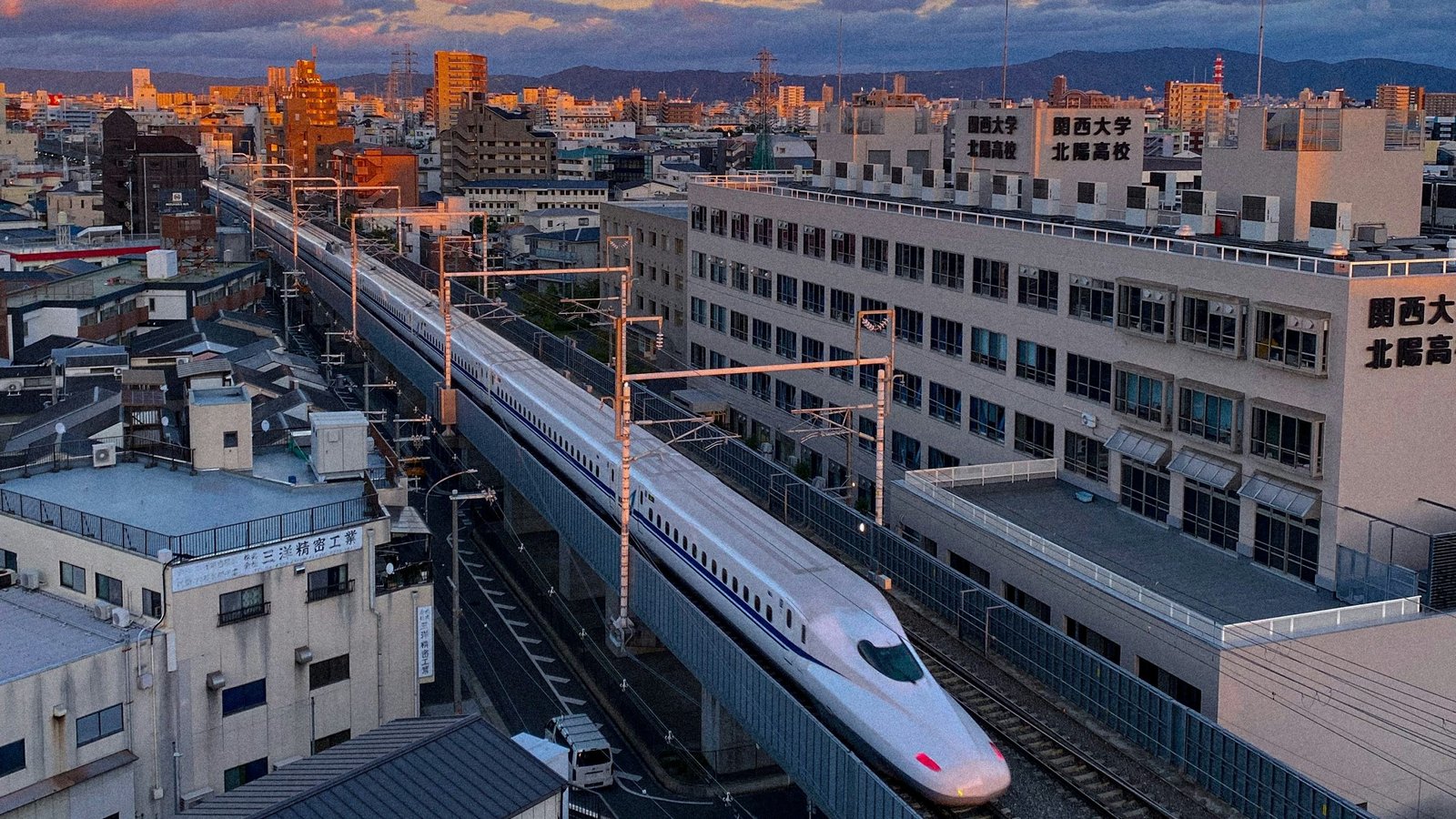
- Shinkansen (Bullet Trains): If you plan on traveling to other cities, consider using the high-speed bullet trains for fast and comfortable travel.
2. Get an IC Card (Suica or Pasmo)
In Public Transport in Tokyo, IC cards are rechargeable smart cards that allow for easy tap-and-go travel on trains, subways, and buses. They can also be used at vending machines, convenience stores, and even some restaurants.
- Where to Buy: Available at JR stations, subway stations, and airport kiosks.
- Cost: $2 (¥500) deposit + the amount you want to load.
- How to Use: Simply tap the card at the ticket gates when entering and exiting.
- Tip for First-Timers: If you’re arriving at Narita or Haneda Airport, purchasing a Welcome Suica or Pasmo Passport (tourist-exclusive IC cards) can be a convenient option.
3. Using Train & Subway Passes
If you’re looking to master public transport in Tokyo (2025) and explore the city extensively, purchasing a subway pass is a smart move. These passes allow you to travel unlimitedly within a set period, making it easy to get around without worrying about individual ticket costs.
- Tokyo Subway Ticket (Available in 24-hour, 48-hour, and 72-hour versions)
- JR Tokyo Wide Pass (Ideal for day trips outside Tokyo)
- Welcome Suica (Exclusive for tourists, valid up to 28 days)
- Japan Rail Pass (For those traveling beyond Tokyo, this pass offers unlimited travel on JR trains, including the Shinkansen)
4. Essential Apps for Navigation
To truly master public transport in Tokyo (2025), having the right apps on hand will make your journey much smoother. Here are a few essential apps to help you navigate Tokyo’s extensive transport system with ease:
- Google Maps: Provides train and bus routes with real-time updates.
- Hyperdia: Best for long-distance train schedules and fares.
- Japan Travel by NAVITIME: Helps navigate Tokyo with detailed train and subway guidance.
- Tokyo Subway Navigation App: Specifically designed for navigating the Tokyo Metro and Toei Subway. Download the Android App and IOS App.
5. Avoid Rush Hour
Tokyo trains are extremely crowded during peak hours. Try to avoid:
- Morning Rush: 7:30 AM – 9:30 AM
- Evening Rush: 5:00 PM – 7:00 PM
Plan your trips outside these times for a more comfortable experience if possible.
6. Understanding Train Etiquette
- Stand on the left side of escalators (right side in Osaka).
- Keep noise levels low, and avoid talking loudly on the phone.
- Offer seats to the elderly, pregnant women, and disabled passengers.
- Line up properly when boarding a train, as Japanese commuters follow an orderly queue.
- Eating and drinking on local trains are discouraged, but it is acceptable on long-distance trains and Shinkansen.
7. Taxi & Ride-Sharing Options
While taxis are available, they can be expensive compared to public transport. Ride-sharing services like Uber and Didi exist but are not as popular as in other countries.
- Taxis in Tokyo: Base fare starts at around $4 (¥500) for the first 1.2 km.
- Alternative Options: If you’re carrying heavy luggage, using taxi services like JapanTaxi App can be useful.
8. How to Buy Train & Subway Tickets
- At Ticket Machines: Available in English, simply select your destination and pay.
- Using IC Cards: Tap at the entrance and exit gates.
- With a Rail Pass: Some stations have dedicated gates for JR Pass holders.
- First-Timer Tip: If you’re unsure about ticket prices, use the fare adjustment machines located inside stations.
9. Additional Tips for First-Time Travelers
- Arriving at the Airport? Narita and Haneda airports have direct train services to central Tokyo. The Narita Express (N’EX) and Keisei Skyliner are great options for reaching the city quickly. For more information about the First Time Travelers Guide To Tokyo.
- Luggage Handling: Some train stations offer coin lockers, or you can use luggage forwarding services to send your bags to your hotel.
- Late-Night Travel: Most train lines stop running around midnight, so plan accordingly or consider using taxis or night buses.
- Day Passes: If you plan to visit many spots in a day, consider getting a day pass for unlimited travel within certain zones.
Navigating public transport in Tokyo can be intimidating at first, but with the right tools and knowledge, you can explore the city with ease. Investing in an IC card, using navigation apps, and avoiding peak hours will make your journey much smoother.
By following these tips, you’ll be able to experience Tokyo efficiently while saving both time and money.