
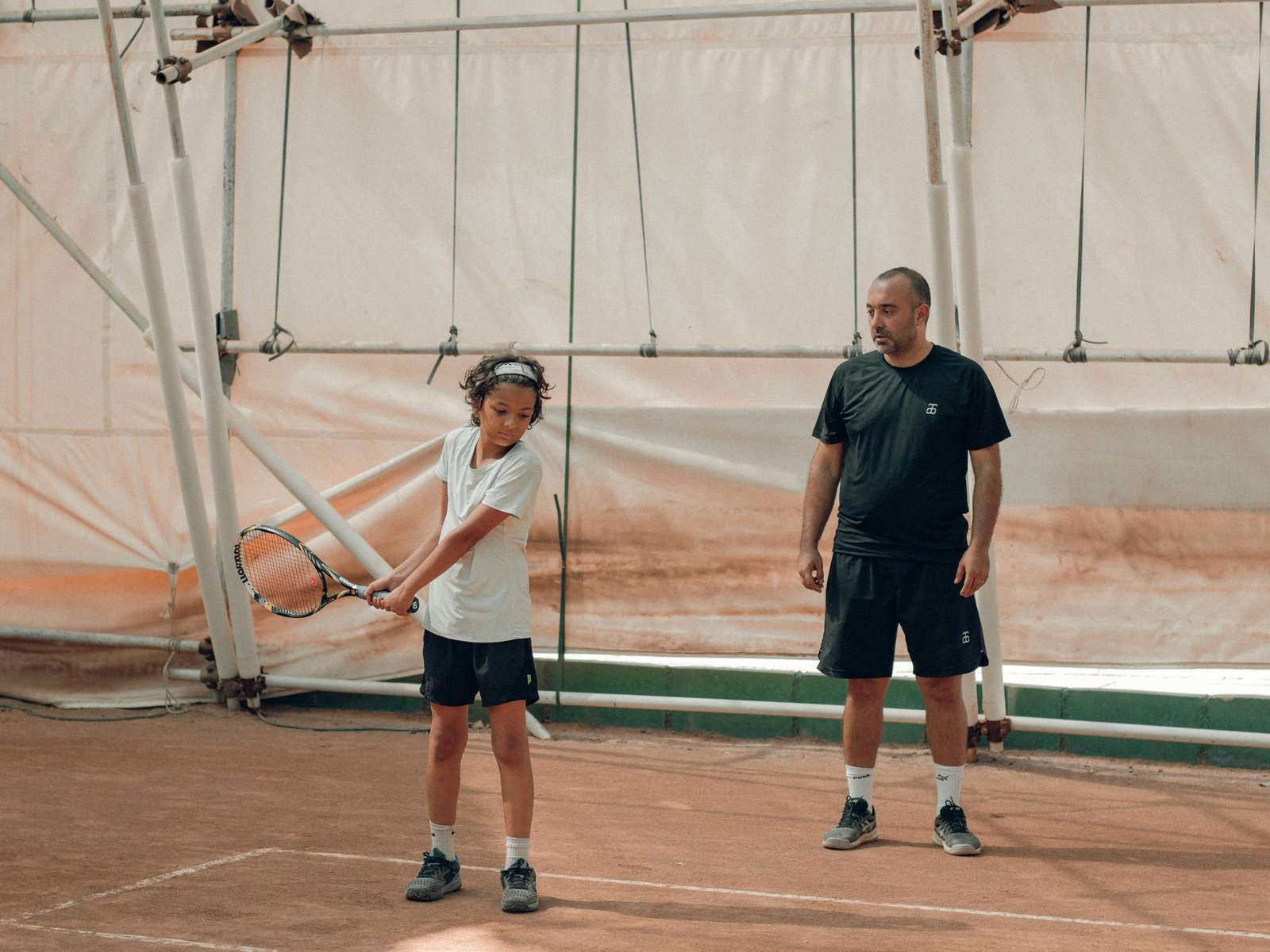
Being a dad is one of the most rewarding roles in life, but it also comes with its challenges. As a father, you have the unique opportunity to coach your kids through life’s ups and downs. Coaching isn’t just about correcting behavior—it’s about instilling values, teaching resilience, and building a foundation of self-worth that will last a lifetime.
In this blog, we’ll explore how to coach your kids’ character effectively, offering practical tips, actionable advice, and real-life experiences that will help you raise strong, compassionate, and confident children.
Why Coaching Your Kids’ Character Matters
The influence you have on your child’s character is immense. During their formative years, your actions, words, and the guidance you provide will help shape the adults they become. Whether you’re teaching them to be responsible, kind, resilient, or confident, coaching your kids is about helping them develop a strong sense of self that will guide them throughout their lives.
Coaching doesn’t mean you have to have all the answers. It means you help your child find their answers, support them through tough moments, and create an environment where they feel valued and empowered to make good decisions.
Practical Tips on How to Coach Your Kids’ Character
1. Be a Role Model: Lead by Example
Your actions speak louder than words, and children are keen observers of the behavior of those they trust most. If you want to coach your kids to be empathetic, honest, and responsible, you must show them these traits in your own life. Kids learn by watching, so being a good role model is one of the most powerful ways to teach values.
- Real-life example: My dad taught me patience through his actions. As a busy professional, he would make time every day to sit with us and talk about our day, despite his challenges. It wasn’t just the time spent with him, but the way he managed stress and handled situations calmly that made a lasting impact on me.
- Tip: Show your child how to handle frustrations, setbacks, and successes in a positive, calm way. Whether it’s showing them how you resolve conflicts or demonstrating empathy, your actions will guide them.
2. Encourage Open Communication
Creating a space where your child feels comfortable talking about their thoughts and emotions is essential for their growth. When you coach your kids, it’s important to let them know they can speak freely without fear of judgment. This emotional openness fosters trust and self-confidence.
- Practical tip: Set aside time each day to check in with your kids. Ask them about their day, how they’re feeling, and what’s on their mind. Being a good listener is key to fostering strong communication.
- Real-life example: When my daughter was struggling with her schoolwork, she hesitated to ask for help because she felt embarrassed. I made sure to tell her that no question was too small and that she could come to me with anything. It made her feel more comfortable and confident in expressing herself.
If you’re looking for additional resources to help you coach your kids’ character, here’s a great article on the importance of character development in children.
3. Emphasize Integrity and Honesty
Integrity is one of the most important qualities you can instill in your child. Teaching them to make ethical choices and telling the truth—especially when it’s difficult—will help them make sound decisions throughout their lives.
- Tip: Share your own experiences of making tough decisions and how honesty played a role. Reinforce the idea that doing the right thing is more important than taking the easy way out.
- Practical experience: One evening, my son accidentally broke a lamp. Instead of getting upset, I simply asked him if he knew what had happened. He admitted it immediately. I praised him for telling the truth and used it as an opportunity to discuss responsibility and the importance of owning up to mistakes.
4. Teach the Value of Perseverance and Hard Work
Resilience is essential to a child’s development. Life is full of setbacks, and teaching your child how to keep going after a failure will help them develop mental toughness.
- Tip: Praise effort over results. When your child struggles with something—whether it’s a school project or a sports game—acknowledge their hard work and persistence rather than focusing solely on the result.
- Practical experience: I often tell my kids the story of how I didn’t succeed the first time I tried something, whether it was learning a new skill or making a difficult decision. Sharing those moments of struggle makes it easier for them to understand that failure is part of success.
5. Allow Them to Make Decisions
As a dad, one of the best ways to coach your kids is to allow them to make decisions. Even small choices can teach valuable lessons about responsibility and the consequences of actions.
- Tip: Give your child opportunities to make decisions about their own lives, whether it’s choosing what to wear, what to eat, or how to spend their free time. Let them learn from their choices—both good and bad.
- Real-life example: I let my daughter pick her extracurricular activities. She initially chose too many, which led to her feeling overwhelmed. We had a conversation about the importance of balance, and she chose to narrow down her options. This lesson helped her understand the need for time management.
6. Foster Empathy by Teaching Compassion
Empathy is the ability to understand and share the feelings of others. As a father, helping your child develop empathy not only improves their social skills but also strengthens their emotional intelligence.
- Tip: Volunteer together or donate to charity to teach your child the importance of helping others. Discuss how their actions can positively impact someone else’s life.
- Practical experience: My son wanted to keep some of his toys when he was young, but after visiting a local charity, he understood the joy of giving. He later gave some of his toys to less fortunate children, which reinforced the importance of helping others.
7. Set Boundaries and Enforce Consistency
One of the most important aspects of coaching your kids is setting clear boundaries. When children understand what is expected of them and what behaviors are not acceptable, they are more likely to make responsible decisions.
- Tip: Be consistent in your rules and the consequences for breaking them. Kids need to feel secure and know that there are clear expectations in place.
- Real-life experience: When my daughter was caught lying about finishing her homework, we had a firm but fair discussion. She knew the consequence of her actions, but I made sure to support her in fixing the situation. Consistency made her understand the importance of honesty moving forward.
8. Encourage Self-Expression Through Creative Activities
Creativity is an excellent outlet for children to express themselves and gain confidence. By encouraging them to engage in creative activities like drawing, music, or writing, you help them discover their passions and build a strong sense of identity.
- Tip: Allow your child to experiment with different creative outlets. Support their artistic expression and provide a space where they can freely explore their ideas.
- Practical experience: I encouraged my son to start writing short stories, which helped him articulate his thoughts and feelings more clearly. It also helped him gain confidence in his abilities.
9. Teach Financial Responsibility
Understanding money and its value is an important part of growing up. Coaching your kids on financial responsibility teaches them to make sound decisions and plan for the future.
- Tip: Start by giving your child an allowance and guiding them in budgeting. Teach them the importance of saving, giving, and spending wisely.
- Practical experience: I gave my son a small allowance for doing chores, and we set up a savings jar together. Over time, he began to understand how budgeting and saving worked.
10. Praise Efforts, Not Just Results
Children need to understand that success isn’t always about winning or being the best—it’s about putting in the effort. Coaching your kids to focus on the process rather than just the outcome helps them develop a growth mindset.
- Tip: Instead of praising only the result, celebrate the effort and persistence they put into a task, no matter the outcome.
- Practical experience: When my daughter participated in a dance recital, I focused on how hard she worked in practice rather than how she performed on stage. This helped her see that effort and progress were just as valuable as the final performance.
Here’s a sample comparison between two approaches to coaching your kids’ character as a supportive dad, focusing on the difference between being an active, engaged coach and a more passive or distant parent.
Active, Engaged Dad: Coaching Kids’ Character
An active, engaged dad is like a coach who is present, hands-on, and intentionally involved in shaping their child’s character. This dad doesn’t just tell his kids what to do; he actively teaches through example, interaction, and practical guidance.
Key Traits:
- Presence and Engagement: He shows up, both physically and emotionally, at important moments, whether it’s a school event, a sports game, or a family discussion.
- Positive Reinforcement: Actively supports and praises his child for showing positive traits like honesty, perseverance, or kindness.
- Teachable Moments: Seizes everyday opportunities to impart life lessons. For example, when his child faces a challenge, instead of just offering a solution, he encourages problem-solving and self-reflection.
- Emotional Availability: Encourages open communication, actively listens to his child’s thoughts and feelings, and offers guidance when necessary.
- Modeling Desired Behavior: He sets the standard for the values he wants his child to adopt, demonstrating qualities like respect, hard work, and humility in his actions.
Example Scenario: After his child struggles with a school project, the engaged dad doesn’t just tell his child “you’ll get it next time” and leave it at that. Instead, he asks questions to help the child think through the problem, offers help if needed, and praises the effort, regardless of the outcome. He uses this moment as an opportunity to discuss the importance of persistence, learning from mistakes, and not giving up.
Passive, Distant Dad: Limited Coaching of Kids’ Character
On the other hand, a passive, distant dad may have good intentions but is less involved in actively coaching his child’s character. This dad might think that simply providing for his child’s material needs or showing affection occasionally is enough to guide their character development. However, he may miss the opportunity to offer intentional life lessons and fail to model or reinforce positive behaviors consistently.
Key Traits:
- Physical Presence Without Engagement: This dad is around, but he’s often distracted—whether by work, technology, or other commitments—so he’s not fully present when it matters most.
- Missed Teachable Moments: When challenges arise, this dad may provide general advice but misses the chance to dive deeper into the situation or teach lessons on resilience, decision-making, or accountability.
- Reactive Rather Than Proactive: He may wait for a problem to arise before addressing it rather than creating a consistent routine of teaching and coaching that guides his child’s growth.
- Lack of Emotional Availability: While he may love his child, he’s less likely to engage in meaningful emotional conversations or provide consistent emotional support when needed.
- Minimal Role Modeling: Although he may provide material needs, he might not model the kind of character traits he wants his child to develop.
Example Scenario: When his child faces a setback, like a poor grade on a test, the distant dad may give a quick “try harder next time” or “don’t worry about it,” but doesn’t take the time to discuss the specific reason behind the failure or guide the child in how to overcome future challenges. He misses an opportunity to discuss personal responsibility, learning from mistakes, or the importance of self-discipline.
Coaching Your Kids for a Stronger Future
A dad who actively coaches his kids’ character takes time to teach and guide, providing consistent emotional support and clear examples of how to live with integrity, kindness, and resilience. A passive dad may provide love and support but misses the opportunity to mold his child’s character through daily involvement and teaching.
If you want to be the best dad you can be, consider how you can be more engaged in your child’s development.
If you’re looking for additional resources to help you coach your kids’ character, here’s a great article on the importance of character development in children: “The Role of Fathers in Character Development” – ParentingScience.com
By being a positive role model, teaching valuable lessons, and offering emotional support, you have the power to shape your child’s future in a profound way.
These books are perfect for dads looking to create better routines and tackle the daily ups and downs of life. It offers practical strategies to form habits that stick—helping you be more intentional in how you lead your family. Grab it here.