
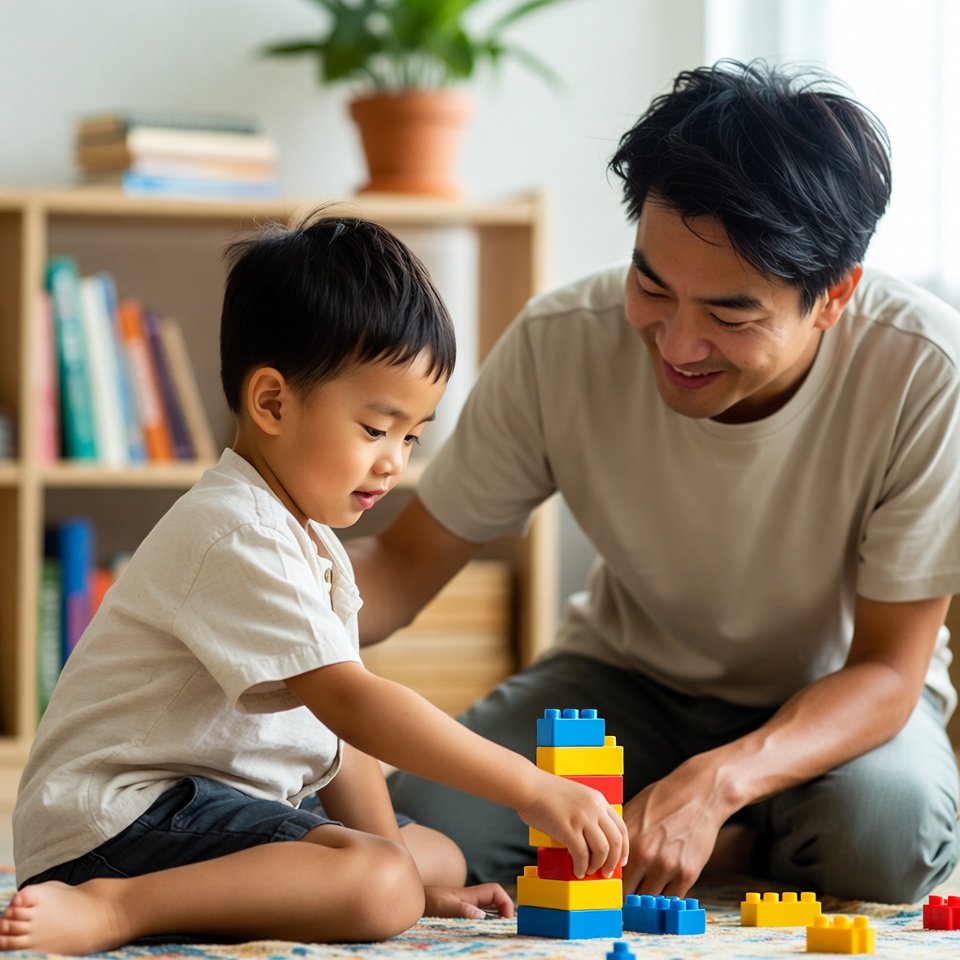
One-on-one time with your child is one of the most impactful investments you can make as a parent, especially in families with multiple kids. Amid the chaos of group activities, shared meals, and daily routines, dedicating intentional individual time to each child creates unbreakable bonds, boosts their emotional health, and transforms family dynamics.
Experts from Psychology Today and child development research consistently highlight that quality one-on-one time with your child strengthens attachment, improves behavior, and enhances overall well-being. Yet, with busy schedules, it’s easy to overlook. If you’re a dad or mom juggling multiple children, prioritizing this “alone” time isn’t just nice—it’s essential. Here’s why one-on-one time with your child matters, backed by real insights and five powerful benefits.

1. Builds Self-Esteem and Shows Your Child They’re a Priority
When you carve out regular one-on-one time with your child, it sends a powerful message: “You are important to me.” Kids notice your packed schedule and how you spend free moments. Choosing to focus solely on them—even for simple activities—makes them feel valued, secure, and empowered.
Child psychologists note this boosts self-worth and resilience. It doesn’t require fancy outings; the gift of undivided attention is what counts. Whether grabbing ice cream or taking a walk, one-on-one time with your child affirms their uniqueness, helping them develop confidence that lasts a lifetime.
2. Encourages Open Communication and Deeper Trust
Kids often hold back in group settings, but during one-on-one time with your child, they open up freely. Real-life stories, like dads noticing teens sharing school drama or personal questions during casual car rides, show how this dedicated space creates safety for vulnerability.
Without siblings competing, children share thoughts and feelings more easily. This fosters emotional intelligence, builds trust, and gives you insights into their world. As highlighted in parenting resources, these conversations during one-on-one time with your child are priceless for guiding them through challenges.
3. Creates Natural Teaching Moments and Models Life Skills
Shared activities during one-on-one time with your child lead to unexpected real-life lessons. From handling a car breakdown gracefully to helping a stranger or navigating social encounters, you’re modeling maturity and kindness right in the moment.
These spontaneous situations reveal your child’s reactions, allowing you to teach resilience and empathy. Running into their friends? It opens natural conversations about their social life. One-on-one time with your child turns everyday outings into opportunities for growth and memorable bonding.
4. Reduces Sibling Rivalry and Promotes Family Harmony
In multi-child homes, competition for attention fuels rivalry. Regular one-on-one time with your child counters this by making each feel uniquely seen. When kids know they have guaranteed individual moments, they’re less likely to act out or fight for scraps.
Studies show this leads to more cooperative behavior and a calmer home. Tailoring activities to each child’s interests—one loves sports, another art—deepens personalized connections, minimizing conflicts and strengthening overall family ties.
5. Supports Long-Term Emotional and Cognitive Development
Consistent one-on-one time with your child goes beyond immediate joys, contributing to healthier brain development, better self-regulation, and stronger relationships in adulthood. Research links it to reduced stress, higher confidence, and improved social skills.
A 2023 study in Frontiers in Public Health found that parental companionship, especially leisure time, significantly promotes children’s well-being.
For parents, it reignites the joy of connection. In a fast-paced world, these moments remind us of parenting’s rewards while equipping kids with tools for success.
How to Make One-on-One Time with Your Child a Habit
As a busy parent, intentionality is key. Schedule it like any priority:
- Keep it simple: 10-30 minutes daily or weekly outings—frozen yogurt, walks, bookstore visits, or child-led play.
- Rotate evenly: Use a fair system for multiple kids.
- Be present: Put phones away and let them lead.
- Start small: Short, consistent sessions build momentum.
Don’t let busyness steal these moments. Prioritizing one-on-one time with your child creates lasting security, joy, and connection. Start today—choose one child, plan something special, and experience the difference.
Your efforts today shape confident, connected adults tomorrow.
Frequently Asked Questions About One-on-One Time with Your Child
1. How much one-on-one time should I spend with each child?
Quality matters far more than quantity. Research and experts recommend starting with 10-20 minutes per day of focused, undivided attention per child. Some sources, like the Family Peace Foundation, suggest at least 8 minutes daily, while others note that consistent 10-15 minutes can significantly support emotional and social development. For adolescents, longer engaged sessions (like shared meals) reduce risks like delinquency. In multi-child families, even short bursts add up—aim for fairness by rotating daily.
2. What if I’m too busy or have multiple kids—can I really make one-on-one time happen?
Yes! It’s challenging but doable with intentional small steps. Parents with 3+ kids often use:
Stay-up-late nights: Once a month, let one child stay up 20-30 minutes past bedtime for special talk time. Start small—consistency beats perfection. A 2023 study in Frontiers in Public Health confirms that regular companionship, even in short leisure activities, promotes child well-being.
Errand dates: Take one child grocery shopping or on a quick drive.
Bedtime rotation: Alternate who gets extra stories or chats.
Sibling swaps: One parent engages one child while the other handles the rest.
3. What are some simple activity ideas for one-on-one time?
Keep it child-led for maximum impact. Easy, low-cost ideas include:
- Ice cream or coffee runs
- Walks in the park or neighborhood
- Reading books or bedtime stories
- Playing games (board games, catch, or video games)
- Baking cookies or simple crafts
- Errands with a treat afterward
- Stargazing or cloud-watching For older kids: Coffee dates, mini-golf, or attending events together. The key is undivided attention—no phones!
4. Does one-on-one time really reduce sibling rivalry?
Absolutely. In families with multiple children, individual attention helps each feel uniquely valued, reducing competition for your focus. Parents report fewer fights and more harmony when rotating fair one-on-one moments. It also allows tailoring to each child’s interests, making them feel seen.
5. What if my child doesn’t want to spend one-on-one time with me (especially teens)?
This is common with teenagers—they may seem rejecting, but it’s often about independence. Keep offers low-pressure and tied to their interests (e.g., a drive for iced coffee). Consistency shows you care, and many parents find kids “save up” topics for these moments. Start small and let them lead.
6. Is one-on-one time more important for younger kids or all ages?
It’s beneficial at every stage:
Teens: Fosters trust and open talks about deeper issues. Prioritize it most under age 5 for foundational development, but continue lifelong.
Babies/Toddlers: Builds secure attachment through cuddles, play, and singing.
School-Age: Boosts confidence and language skills.