
Japan is a captivating destination known for its rich culture, beautiful landscapes, and unique experiences. Before you pack your bags, it’s important to understand the key things to know before going to Japan. Whether it’s mastering local etiquette or knowing what transportation to take, this guide covers all the essential travel tips to ensure your trip is smooth, enjoyable, and full of amazing discoveries.
Let’s explore the essential things to know to make the most of your Japan adventure!
Local Customs and Practices in Japan: What Every Tourist Should Know
Things to know before going to Japan is understanding and respecting local customs isn’t just polite — it can make your trip smoother and more enjoyable. Japanese culture is rich in tradition, and showing awareness of it earns you appreciation from locals.
Here are the essential cultural etiquette tips you need to know before going to Japan:
1. Respect Local Customs and Etiquette: Greeting with a Bow
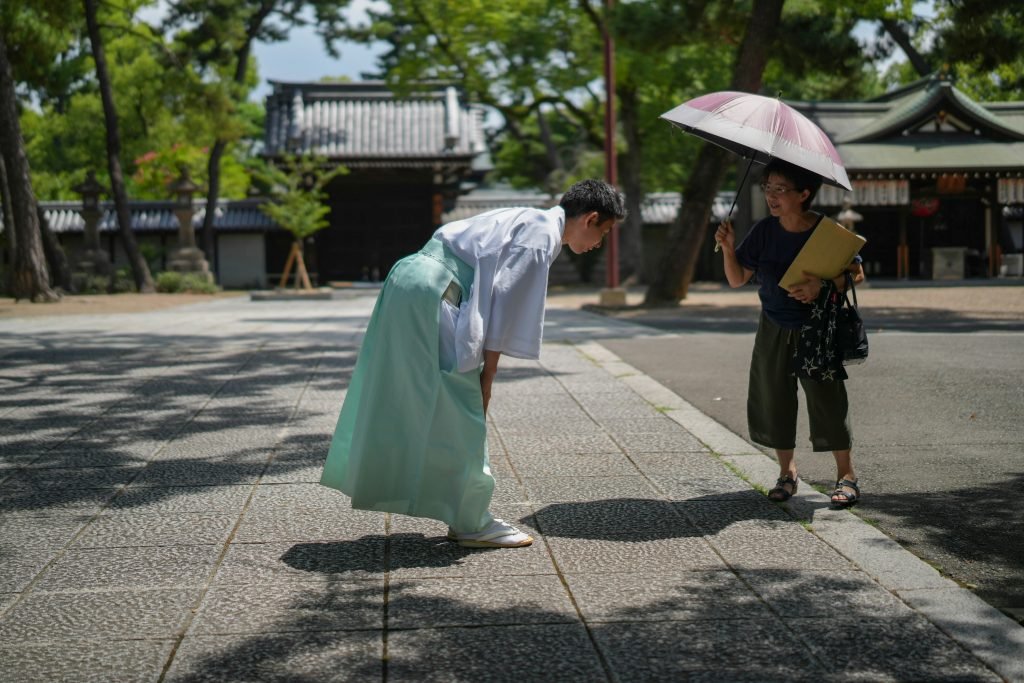
Japan has a deep-rooted culture of respect, and small gestures can make a big difference. Bowing is a common way to greet or thank someone, but don’t worry if you’re unsure—locals appreciate the effort.
While handshakes may be common in business or international settings, bowing remains the most respectful and traditional form of greeting.
2. Use Public Transportation Properly
One of the most important things to know before going to Japan is how to navigate the public transportation system with courtesy and efficiency. Japan is known for its clean, safe, and ultra-punctual trains and buses, but it also comes with unspoken rules travelers should follow when riding trains or buses:
- Line up in an orderly fashion.
- Keep your voice low.
- Offer seats to the elderly, disabled, and pregnant women.
- Avoid eating or drinking on public transport.
- Have your pass ready.
Respecting these norms ensures a smooth experience for everyone and reflects positively on you as a traveler. Understanding how to behave on public transportation is truly one of the top things to know before going to Japan. For further information on train pass rules, eligibility, and booking options, please visit the official website of Japan Rail Pass.
3. Try Japanese Cuisine
One of the most exciting things to know before going to Japan is that local cuisine isn’t just food—it’s an essential cultural experience. From world-famous sushi to humble street food, Japanese meals reflect centuries of tradition, artistry, and etiquette.
From sushi and ramen to tempura and wagyu beef, Japan is a paradise for food lovers. Be sure to:
- Try local specialties in each region.
- Follow restaurant etiquette, such as saying “Itadakimasu” before eating and “Gochisousama deshita” after finishing your meal.
4. Carry Cash
Although Japan is becoming more cashless, many smaller shops, restaurants, and rural areas still prefer cash payments. It’s always a good idea to carry yen with you.
ATMs & Cash Withdrawals
International cards may not work in all ATMs. Look for machines in 7-Eleven, Lawson, or post offices—they usually accept foreign cards and offer English menus.
Have Yen on Hand for Small Expenses
Always keep small bills and coins for transportation fares, street food, entrance fees, and vending machines. Having cash on hand saves time and reduces stress during your trip.
Understanding the cash culture is one of the key things to know before going to Japan—so prepare your wallet accordingly!
For further information, visit our ultimate preparation.
5. Visit Temples and Shrines Respectfully
When visiting sacred sites like Fushimi Inari Shrine or Senso-ji Temple:
- Walk to the side when passing through torii gates.
- Purify your hands at the entrance using provided water basins.
- Avoid loud conversations and respect the peaceful atmosphere.
6. Use Proper Trash Disposal
Japan has strict garbage disposal rules, and trash bins are rare in public spaces. Carry a small bag for your trash and dispose of it properly when you find the right bins.
7. Shoes Off Indoors: An Important Part of Respecting Local Customs
In Japan, it’s customary to remove your shoes when entering homes, traditional inns (ryokan), temples, and some restaurants. This practice maintains cleanliness and shows respect for the sacred and private spaces of others. Be ready to slip off your shoes and wear clean socks or slippers when required.
8. Be Punctual – Time Matters in Japan
One of the most important things to know before going to Japan is that punctuality is a big deal. Whether you’re attending a tour, catching a train, meeting friends, or showing up for a dinner reservation, being on time is seen as a sign of respect and reliability.
Why It’s Important:
- Public transport (especially trains) runs with incredible precision — sometimes to the second.
- Business meetings start exactly on time, with lateness seen as disrespectful.
- Restaurant reservations expect timely arrivals, and being late may mean losing your spot.
Tip: Aim to arrive at least 5–10 minutes early to appointments or meet-ups. This habit not only helps you fit in but also ensures you don’t miss out on tightly scheduled events — especially in cities like Tokyo or Kyoto, where time efficiency is a cultural norm.
9. Japan Customs – What You Can Bring Into Japan
Visit this official website to learn crucial info about duty-free limits, medication rules, and prohibited items.
What NOT to Do in Japan
1. Don’t Speak Loudly in Public
Japanese people generally prefer a quiet and peaceful environment. Speaking loudly, especially in trains or restaurants, can be seen as rude.
2. Don’t Tip
Unlike many other countries, tipping is not customary in Japan. It can sometimes be seen as rude. If you want to show appreciation for good service, simply say “Arigato gozaimasu” (Thank you very much).
3. Don’t Eat While Walking
Although street food is popular, it’s considered bad manners to eat while walking. Instead, stand near the food stall or find a designated eating area.
4. Don’t Blow Your Nose in Public
Blowing your nose in public, especially loudly, is considered impolite. Instead, step aside to a restroom or use a tissue discreetly.
5. Don’t Point at People or Objects
Pointing with your finger is seen as rude. If you need to indicate something, use an open hand or a slight nod.
6. Don’t Enter a Home Without Removing Your Shoes
Many Japanese homes, traditional inns (ryokan), and some restaurants require you to remove your shoes before entering. Look for shoe racks or provided slippers at the entrance.
7. Don’t Take Photos Where It’s Prohibited
Some shrines, temples, and museums do not allow photography. Always check for signs or ask before taking pictures.
Traveling to Japan can be an unforgettable experience, especially when you respect the country’s customs and traditions. By following these dos and don’ts, you’ll ensure a smooth and enjoyable trip while showing appreciation for Japan’s unique culture. So, pack your bags, embrace the adventure, and immerse yourself in everything Japan has to offer!